About
Founder. Operator. CIO. Builder.
Three exits, fifteen years running enterprise technology at scale, and now building the next set of platforms — with the same operating discipline applied to each chapter.
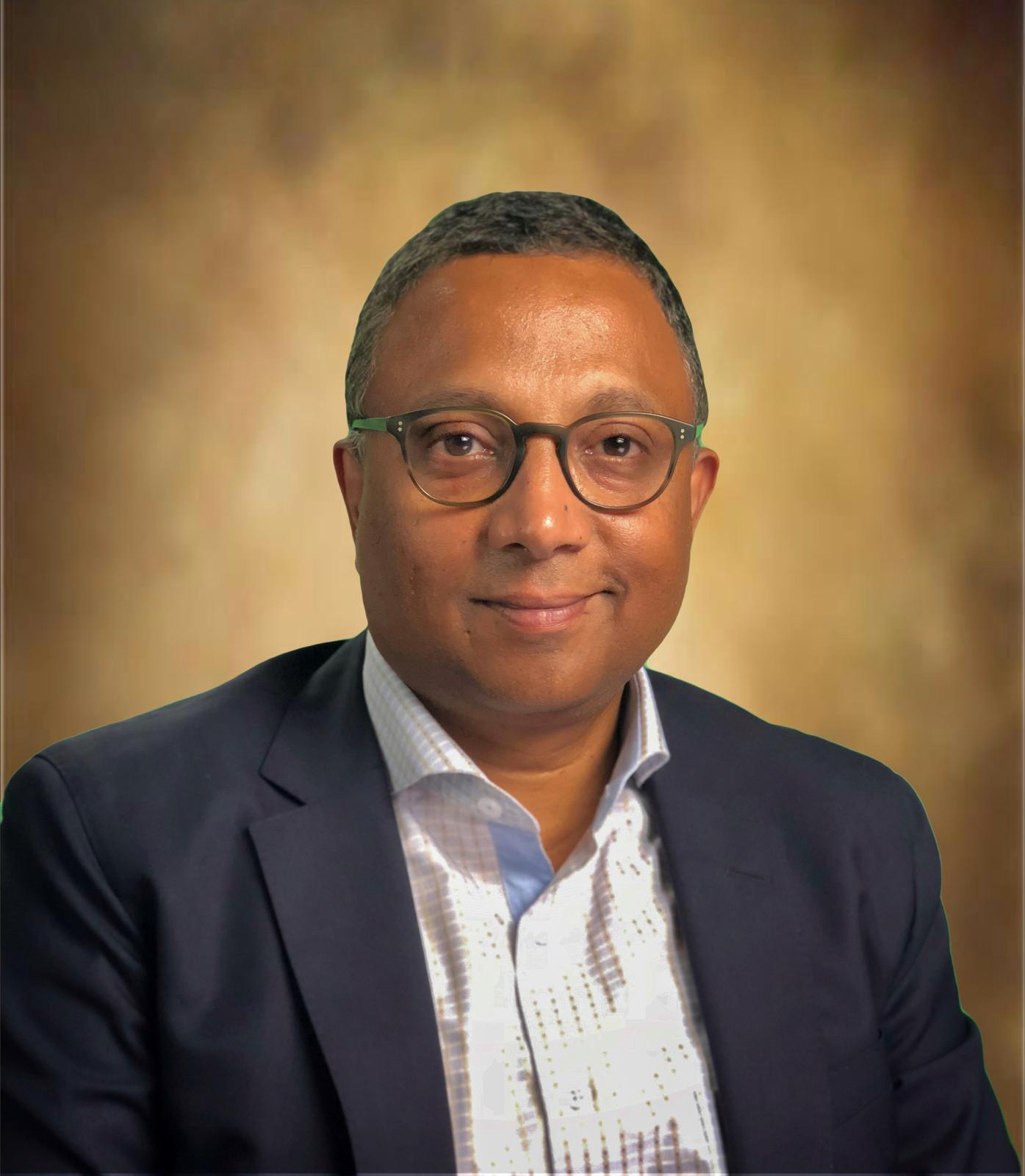
01 — Early career
Building before "founder" was a career path
I built and sold my first technology venture before the current wave of startup culture existed. There was no playbook, no accelerator track — just the discipline of shipping something people would pay for. That chapter, repeated twice more, taught me what capital efficiency and outcome accountability actually mean when there is no safety net.
02 — Operator
15+ years as CIO and C-suite executive
At Goya Foods, I led enterprise-wide technology transformation supporting $2B+ in annual revenue across 23 global locations — modernizing core platforms, operating models, and infrastructure while architecting 6x growth. This is where I learned that scale fails at the seams: the handoffs between systems, teams, and decisions that nobody owns.
03 — Recognized
Industry recognition for transformation leadership
That work was recognized with the Enterprise CIO of the Year ORBIE Award (NewYorkCIO.org, 2021), a Top 5 Digital Transformation Leader finalist placement from the Manufacturing Leadership Council (2023), and inclusion in Constellation Research's Business Transformation 150 (2024). I've also written for the Wall Street Journal's CIO Journal and spoken at TIBCO NOW, Mobile World Congress, and CDM Media conferences.
04 — Builder, now
Applying two decades of operating discipline to what I build
Today I'm CTO and investor at TekLedger, a patent-pending AI-native platform bridging CIO and CFO decision-making. Alongside it, I run a small lab of AI-native products — a guest experience platform and a pricing intelligence platform — and advise founders, boards, and CIO councils on the technology risk that shows up long before it makes headlines.
Read the writing that comes out of this
Essays and field notes drawn directly from operating at scale, exiting companies, and building what comes next.
Read the Writing